July 28, 2026
When you invest in a beautiful vehicle, keeping the exterior looking pristine becomes a top priority for any owner. Everyday driving exposes your car to environmental hazards, road debris, and harsh weather conditions that can easily damage the paint. To combat these threats, many vehicle owners turn to paint protection film as a reliable and durable solution. This clear layer acts as an invisible shield, preserving the showroom finish and maintaining the long-term value of your vehicle. However, achieving a flawless finish requires a meticulous and careful process from start to finish. If you are considering this upgrade, you might be wondering about the timeline involved. Understanding what goes into a PPF wrap installation helps set the right expectations for the time your vehicle will be in the shop. The process is far more complex than simply placing a sticker on a car. It involves extensive preparation, precise application, and dedicated curing time to ensure the film bonds perfectly with the paint. Let us explore the various stages involved in this essential automotive service and why patience yields the best results for your vehicle's protection.
Assessing the Initial Condition of the Vehicle
Before any protective layer can be applied to the exterior, professional installers must carefully evaluate the current state of your vehicle. Every car arrives at the shop with a unique history, even those driven straight from the dealership lot. Installers look for surface imperfections, existing scratches, and areas where the clear coat might be compromised. This thorough inspection dictates the amount of preparatory work required before the actual PPF wrap installation can begin. If the paint is already flawless, the timeline moves forward more smoothly. However, if the surface requires extensive paint correction, the overall duration of the project will increase. The primary goal is to lock in a perfect finish under the film, which means any underlying issues must be resolved completely beforehand. Professionals use specialized lighting to reveal hidden defects that are invisible under normal daily conditions. This meticulous attention to detail ensures that the final result is nothing short of spectacular. Rushing this evaluation phase could lead to sealing in dirt or scratches, which ultimately defeats the purpose of investing in premium protection. Therefore, a proper assessment is a crucial initial step that directly impacts the overall schedule.
Preparing the Exterior Paint Surface
Once the initial assessment is complete, the extensive preparation phase begins in earnest. The vehicle undergoes a comprehensive wash to remove surface dirt, grime, and loose debris. This is not a standard car wash; it is an intensive decontamination process designed to strip away old waxes, sealants, and embedded contaminants from the road. Installers often use a clay bar treatment to pull microscopic impurities from the clear coat, leaving the paint feeling smooth as glass. Following the decontamination, the paint correction phase addresses any swirl marks or scratches discovered during the earlier evaluation. Polishing the exterior restores the depth and clarity of the paint, creating the ideal canvas for the protective film to adhere to. This preparation stage is arguably the most time-consuming part of a PPF wrap installation, but it is absolutely necessary for a successful and visually stunning outcome. The film requires a completely sterile and flawless surface to adhere properly and seamlessly. Any remaining dust or polish residue can cause the film to lift or bubble over time. By dedicating ample time to washing, decontaminating, and polishing, installers ensure optimal performance.
Applying the Protective Film Layer
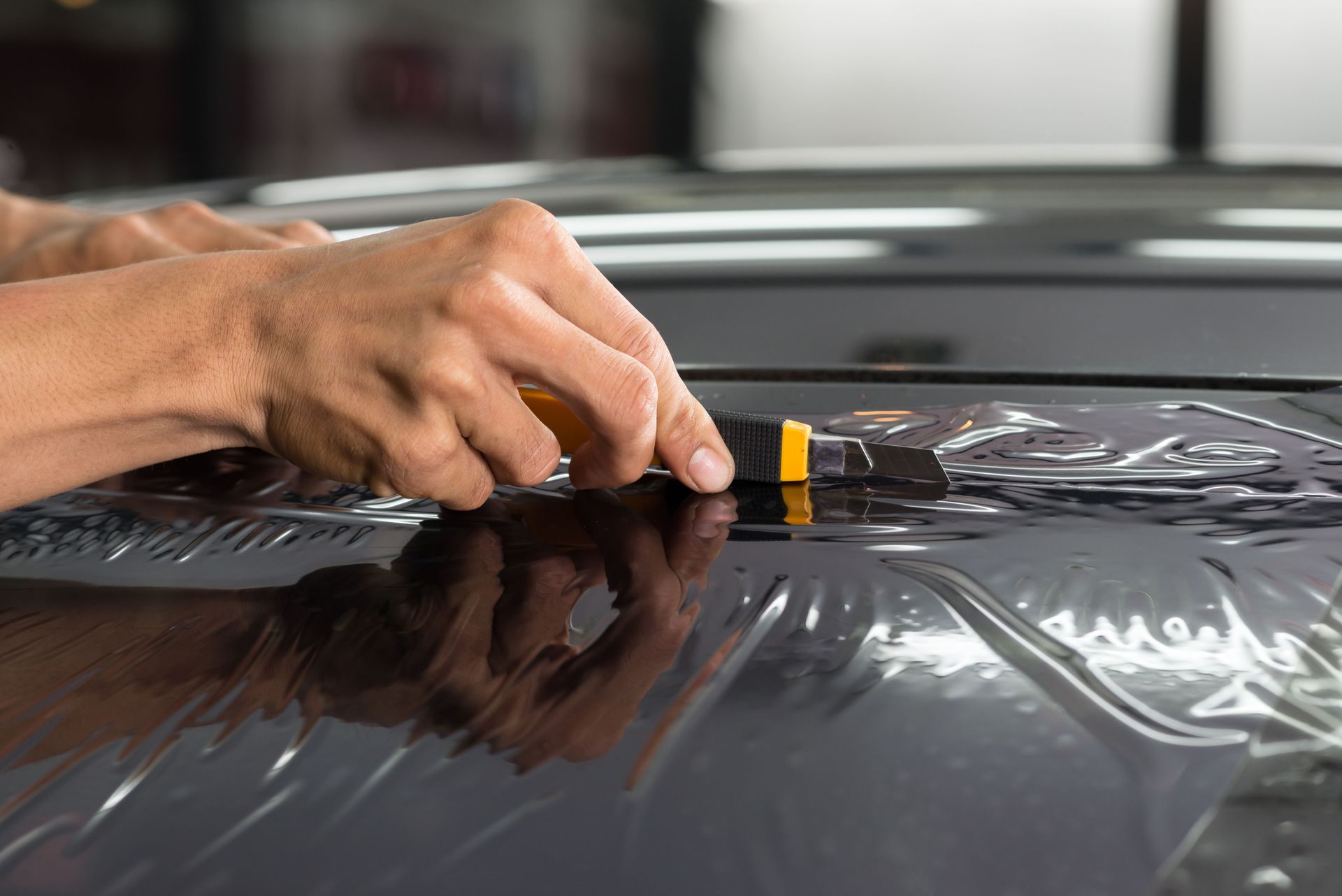
With the paint perfectly prepared, the actual application of the film commences. This stage demands extreme precision, a controlled environment, and highly skilled hands. Installers carefully plot and cut the film to match the specific panels of your vehicle, ensuring custom coverage that hugs every curve and contour perfectly. Using specialized slip solutions, they float the material onto the paint, carefully positioning it before squeegeeing the fluid out from underneath. This technique activates the adhesive and locks the film tightly into place. Stretching the film over complex bumpers and wrapping the edges seamlessly around panel gaps requires immense patience and expertise. A successful PPF wrap installation depends heavily on the installer's ability to manipulate the material without overstretching or distorting it. The complexity of your vehicle's design plays a significant role in how long this application phase takes. Vehicles with sharp angles, deep recesses, and intricate styling demand much more time and effort to wrap flawlessly. Installers work panel by panel, maintaining a sterile environment to prevent dust from settling under the film during the process, ensuring a smooth and brilliant finish every time.
Factoring the Extensive Curing Time
After the film is applied to the vehicle, the project is still not entirely complete. The adhesive requires a dedicated period to bond fully with the clear coat and for any remaining moisture to evaporate completely. This curing phase is critical for the longevity and durability of the protective shield over the lifespan of the car. During this time, the vehicle must remain in a climate-controlled environment to prevent temperature fluctuations from interfering with the delicate adhesion process. The shop will monitor the vehicle closely, checking for any minor bubbles or lifted edges that may appear as the film naturally settles. If adjustments are needed, they are made carefully while the adhesive is still pliable and manageable. Because this phase is largely passive, it requires patience from the vehicle owner, as a complete PPF wrap installation demands this dedicated downtime to cure. According to Forbes, a thorough, full-vehicle PPF project could take three to five days. This extended timeframe ensures that every single stage, especially the curing process, is handled with the utmost care, giving the film the best possible chance to protect your vehicle effectively.
Performing the Final Quality Inspection
The final phase of the process involves a rigorous and detailed quality control check. Installers examine every inch of the wrapped panels under specialized lighting to ensure the film is virtually invisible and entirely free of defects. They scrutinize the wrapped edges, checking that the material is tucked away seamlessly and that no seams are visibly exposed to the elements. This final walkthrough guarantees that the workmanship meets the highest industry standards for vehicle protection. If the installer spots any imperfections, such as a trapped dust particle or a slightly lifted corner, they will address it immediately before returning the keys. This dedication to quality assurance adds a little more time to the overall PPF wrap installation, but it provides ultimate peace of mind knowing the job was done correctly. The installer will also wipe down the exterior, removing any lingering installation fluids or fingerprints, so the vehicle is pristine when you arrive for pickup. Taking the time to perform this comprehensive final inspection separates amateur work from true professional craftsmanship, ensuring robust defense against the elements.
Protecting your vehicle with a high-quality clear film is a wise decision that preserves its beauty and resale value for years to come. While the process requires a significant time commitment, the long-term benefits far outweigh the temporary inconvenience of being without your daily driver. The meticulous preparation, precise application, and necessary curing time all contribute directly to a flawless and durable finish. A proper PPF wrap installation is an intricate craft that demands true expertise, patience, and a controlled environment to execute correctly. When you entrust your vehicle to skilled professionals, you can rest assured that every step is taken to ensure the film performs perfectly against road debris and harsh weather. Maintaining your vehicle's pristine condition has never been more achievable with the right protective measures firmly in place. If you are ready to shield your investment with premium paint protection, reach out to the experts who prioritize quality and absolute attention to detail. Call Genuine Detail Auto Spa today to learn more about scheduling your vehicle for this essential service and hitting the road with total confidence.