June 3, 2026
This introductory section sets the stage for discussing PPF (Paint Protection Film) wraps, explaining what they are and why they are important for vehicle maintenance and aesthetics. PPF wraps are transparent layers that shield a vehicle's paintwork from damage caused by road debris, environmental contaminants, and minor abrasions. These protective films are gaining popularity among car owners who want to maintain their vehicle's pristine appearance. Besides enhancing the longevity of a vehicle's exterior, PPF wraps also contribute to preserving its resale value. Overall, investing in PPF is a forward-thinking decision that benefits vehicle maintenance in numerous ways.
Understanding PPF: The Basics
1.1 What is a PPF Wrap?
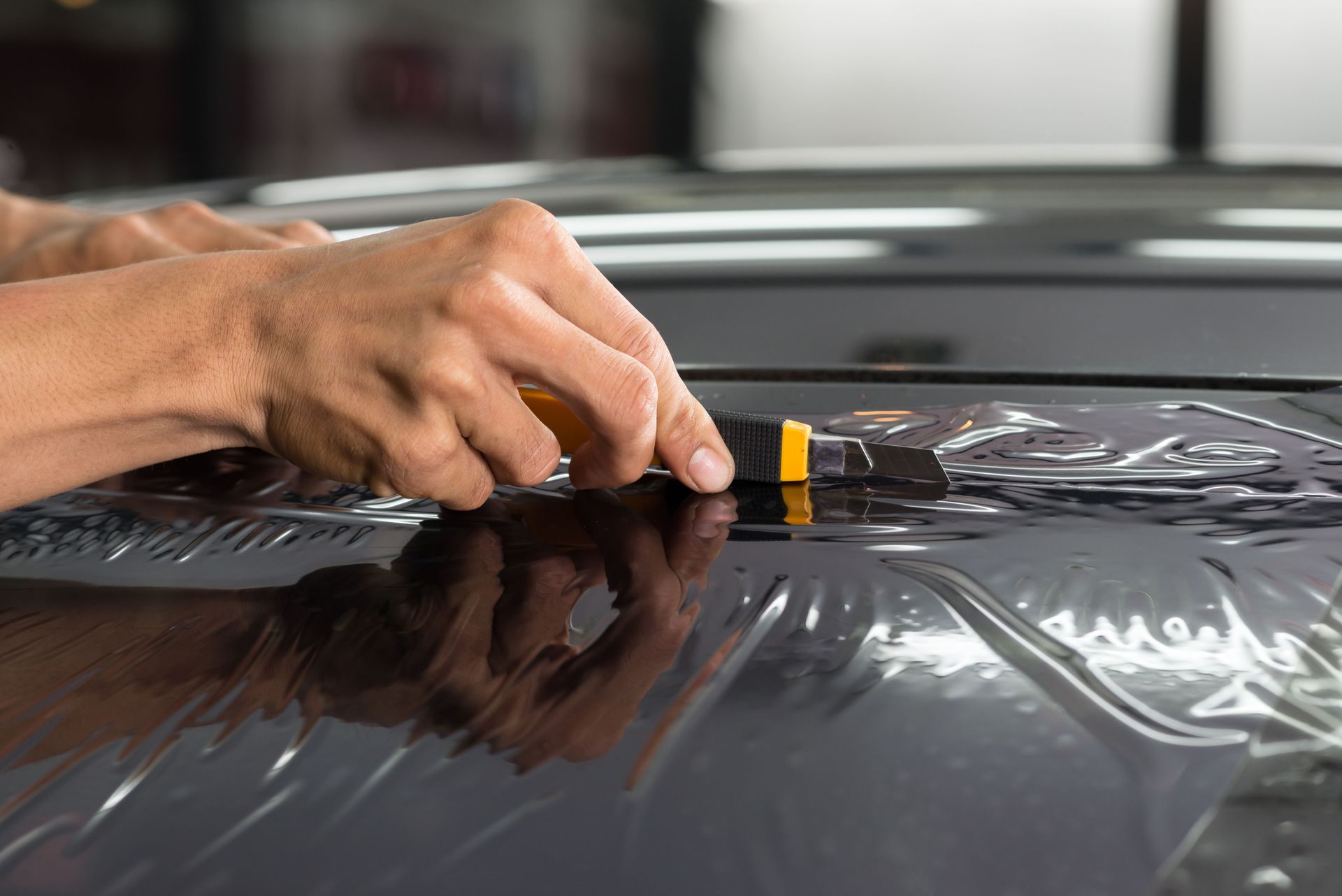
PPF, or Paint Protection Film, originated in the defense industry as a way to protect helicopter blades. Over the years, it has evolved into a commercially available product for consumer vehicles. Modern PPF is a high-quality polyurethane film designed to help maintain the pristine condition of a car's paintwork. The film is virtually invisible, allowing it to provide protection without altering the vehicle's appearance. With advancements in technology, PPF has shifted from being a basic protective measure to a sophisticated solution with various enhancements.
1.2 Materials Used in PPF
PPF is primarily made from polyurethane, a versatile material known for its flexibility and durability. Polyurethane has the ability to stretch and mold, which makes it ideal for wrapping complex car surfaces. Additionally, it has self-healing properties, enabling minor scratches and imperfections to disappear over time. This material choice is crucial, as it ensures the film can withstand different types of stress and wear. As a result, polyurethane forms the backbone of PPF, providing reliable protection while maintaining visual clarity and integrity.
1.3 Benefits of PPF Wraps
The benefits of PPF wraps extend beyond mere paint protection. They shield vehicles from scratches, rock chips, bug splatter, and other harmful elements. The film's protective layer also prevents UV rays from fading paint, thereby preserving the car's color over time. By mitigating surface damage, PPF enhances the vehicle's aesthetics and prolongs its lifespan. According to Forbes, PPF can last up to 10 years, offering durable and long-lasting protection that enhances the vehicle's value and appearance.
1.4 Types of PPF Wraps
Various types of PPF wraps exist to cater to different consumer needs and preferences. Some PPF products offer additional features such as hydrophobic properties, which repel water and reduce staining. Other varieties include matte finishes, enabling drivers to customize their vehicle's appearance while maintaining protection. The selection of PPF depends on specific requirements, such as the level of exposure the vehicle faces and aesthetic preferences. By understanding the options available, consumers can choose a PPF wrap that best suits their vehicle and lifestyle.
1.5 How PPF Differs from Vinyl Wraps
PPF and vinyl wraps serve different purposes despite both being popular protective solutions. PPF is primarily focused on protection, using polyurethane to absorb impacts and guard against physical damage. In contrast, vinyl wraps prioritize appearance and customization, allowing for a wide range of colors and designs. While vinyl wraps can change a vehicle's look entirely, they do not offer the same level of protection as PPF. It is important for car owners to consider their primary goal—whether it’s protection or aesthetic transformation—when deciding between the two.
Deciding on PPF: Is It Right for Your Vehicle?
2.1 Evaluating Your Vehicle's Needs
Determining whether PPF is right for your vehicle involves evaluating specific needs and circumstances. Consider where and how often the vehicle is used, especially if it frequently faces harsh conditions or environments. For luxury and high-performance cars, preserving pristine paintwork is often prioritized, making PPF a suitable choice. In everyday usage with frequent highway driving, the likelihood of encountering road debris is higher, where PPF provides beneficial protection. Assessing these factors enables car owners to make informed decisions about implementing PPF on their vehicles.
2.2 Assessing Cost vs Benefits
Analyzing the cost versus benefits of PPF is essential for ensuring a worthwhile investment. While the initial costs of PPF installation can be substantial, the long-term savings from avoiding paint repairs and enhancing vehicle resale value are significant. The upfront investment can be justified by the reduction in maintenance costs over time. PPF's potential to enhance aesthetic value also adds to its overall benefit. Car owners should weigh the expenses against these advantages to determine if the protection aligns with their financial goals and expectations.
2.3 PPF for Different Vehicle Types
PPF is suitable for a wide array of vehicle types, each with specific protection needs. Cars generally benefit the most from PPF due to their frequent exposure to road hazards. Trucks, especially those used for off-road activities, gain from the added protection against rough environmental conditions. Similarly, motorcycles can also benefit by protecting their intricate paint details from damage. Each vehicle type has unique characteristics, and PPF can be tailored to meet these specific requirements, ensuring comprehensive coverage.
2.4 Geographic and Environmental Considerations
Where a vehicle is primarily driven plays a critical role in the decision to apply PPF. In regions with a harsh climate, such as excessive sun exposure or harsh winters, PPF offers added protection against elements that degrade paint. Urban environments, with frequent stop-and-go traffic, often lead to a higher risk of scuffs and scrapes that PPF can prevent. Conversely, rural areas expose vehicles to mud, gravel, and debris that PPF manages effectively. Understanding these regional exposures will help vehicle owners determine the necessity of PPF wraps.
2.5 Aesthetic Preferences
The visual appeal of a vehicle is a vital consideration when opting for PPF wraps. Some car owners prefer to maintain the factory finish and are inclined to choose transparent PPF options that blend seamlessly with their vehicle's paint. Alternatively, matte or satin PPF wraps can provide a unique look, allowing owners to express their personal style while retaining protection. It's essential that car owners consider whether the PPF will suit their desired aesthetics. By aligning protective functionality with visual satisfaction, they can fully enjoy the benefits of PPF decides.
The Installation Process: What to Expect
3.1 Choosing a Professional Installer
Selecting the right installer is crucial for ensuring the quality and performance of the PPF wrap. Potential customers should research and identify installers with certified expertise, looking into their experience and reputation in the field. Customer reviews can be indicative of an installer's reliability and service quality. Trusted installers will offer recommendations tailored to specific vehicle needs and provide transparent cost estimates. Prioritizing experienced professionals helps guarantee a seamless installation process, reducing the risk of installation errors or film issues.
3.2 Preparation Before Installation
Before applying PPF, proper vehicle preparation is essential to ensure optimal adherence and appearance. The car's surface should be thoroughly cleaned to remove dirt, grease, and contaminants. Washing and detailing the vehicle beforehand can improve film adhesion and reduce the risk of trapped debris. Inspecting the paint for existing damage and addressing imperfections is also vital, as PPF can amplify surface flaws. Preparative measures greatly influence the final quality, ensuring an effective PPF application that complements the vehicle's aesthetics.
A summary of key points discussed, reinforcing the significance of PPF wraps in protecting vehicles and enhancing their lifespan and appearance. Investing in PPF wraps offers vehicle owners essential protection, preserving paint from road damage, environmental impact, and everyday wear. This investment translates into long-term cost savings, diminished maintenance demands, and sustained vehicle resale value. Be sure to reach out to Genuine Detail Auto Spa today to learn more about our professional PPF wraps!